🧠 Unlock Your Potential with Color Therapy 🌈
“Color is a power which directly Influences the Soul.”
– Wassily Kandinsky
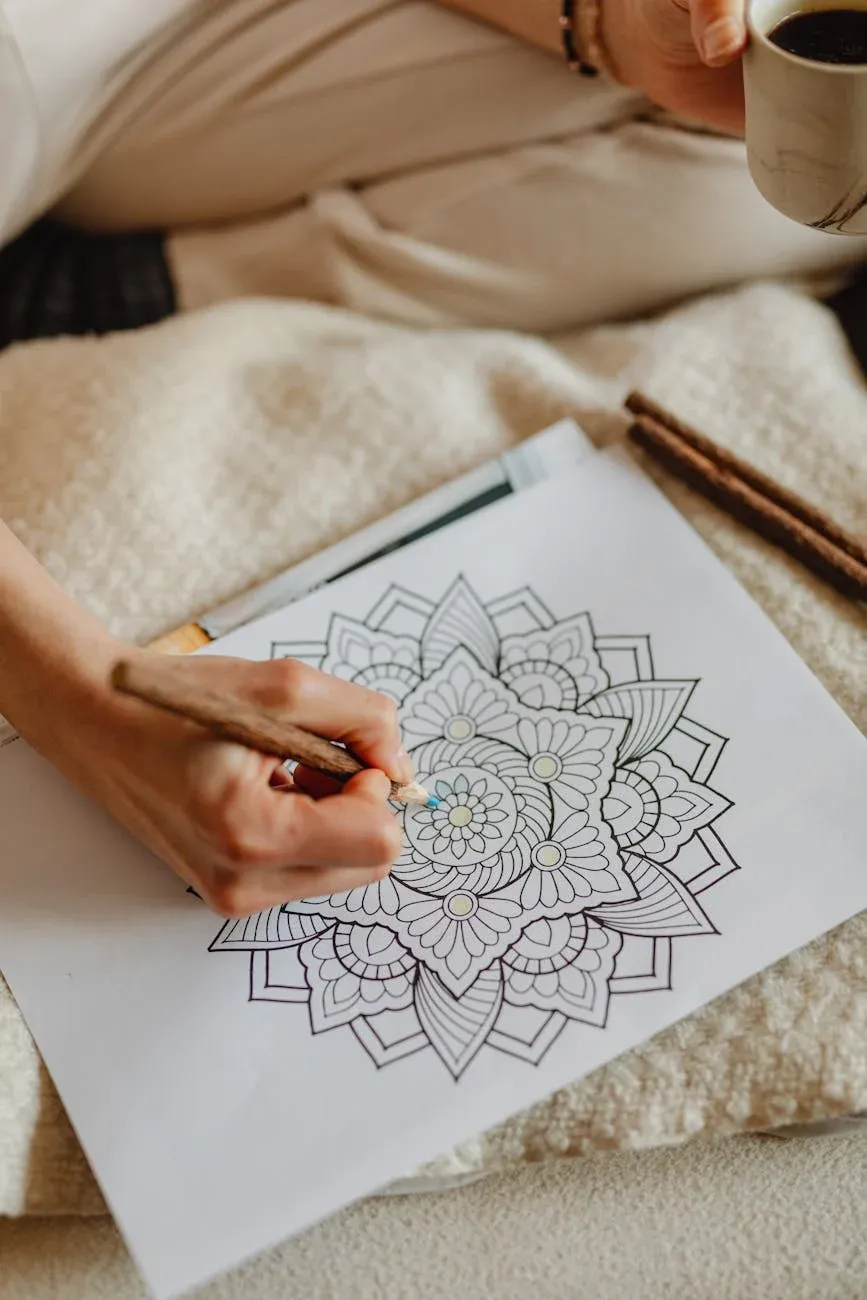
Color therapy, also known as chromotherapy, is an ancient complementary therapy that uses the visible spectrum of light and color to influence a person's mood, physical, or mental health. Its roots can be traced back to ancient Egyptian, Chinese, and Indian cultures.
While it's considered a complementary or alternative medicine and often lacks robust, large-scale scientific evidence in the same way conventional medicine does, there are plausible mechanisms and emerging areas of research that help explain its potential effects.
The Science (or Plausible Mechanisms) Behind Color Therapy:
The "science" behind color therapy is not about colors directly "healing" organs, but rather about how light and color interact with our biology and psychology:
Psychological Associations and Conditioning:
Learned Responses: We are conditioned from a young age to associate certain colors with specific feelings or concepts. (e.g., Red = stop, danger, passion; Green = nature, growth, calm; Blue = sky, water, sadness, calm).
Cultural Significance: These associations can be culturally influenced, but many are universal. These learned associations can trigger emotional and psychological responses.
Symbolism: Colors carry symbolic meanings that can be powerful in influencing our mood and perception.
Physiological Responses to Light:
Light is Energy: Visible light is a form of electromagnetic radiation. When light enters the eye, it travels different pathways.
Retinal Ganglion Cells (ipRGCs): Beyond rods and cones (for vision), the retina contains intrinsically photosensitive retinal ganglion cells (ipRGCs). These cells are particularly sensitive to blue light and play a crucial role in non-visual light processing, including:
Circadian Rhythms: They signal to the suprachiasmatic nucleus (SCN) in the brain, which controls our sleep-wake cycle (melatonin production). Exposure to bright blue light in the evening can suppress melatonin and disrupt sleep. Conversely, warm, redder light can be more conducive to relaxation before sleep.
Mood and Alertness: Light exposure influences neurotransmitters like serotonin and dopamine, impacting mood, alertness, and cognitive function. This is the basis for light therapy for Seasonal Affective Disorder (SAD), which is a medically recognized treatment.
Skin Absorption (Less Evidence): Some proponents suggest that colors can be absorbed through the skin, affecting physiological processes. While skin does absorb some light, the direct, specific therapeutic effects of colored light absorbed through the skin are largely unproven by modern science.
The Placebo Effect:
Like many complementary therapies, the powerful placebo effect likely plays a significant role. If an individual believes that a certain color will make them feel better, their mind-body connection can indeed contribute to positive changes in their mood or perceived well-being. This is a real physiological effect, even if not directly attributable to the specific "healing" properties of the color itself.
Environmental Influence:
Our surroundings profoundly affect our mood and behavior. The colors in our environment (walls, decor, natural light) can create specific atmospheres that are either stimulating, calming, or conducive to certain activities.
Applications of Color Therapy in Daily Life:
While not a substitute for medical treatment, understanding the principles of color psychology can be a powerful tool for self-care, mood management, and creating conducive environments.
Home & Office Decor:
Bedrooms (Blue/Green): Promote calmness, relaxation, and better sleep. Light blues and greens are often associated with tranquility.
Kitchens/Dining Areas (Orange/Yellow): Yellow can stimulate appetite and conversation. Orange is warm and inviting, promoting social interaction.
Workspaces/Study Areas (Blues/Greens or Light Yellows): Blue can enhance focus and productivity, while green offers a calming presence that reduces eye strain. Light yellows can boost creativity without being overly distracting.
Living Rooms (Warm Neutrals, Accents of Red/Orange): Create a cozy, inviting atmosphere. Red or orange accents can add energy and warmth.
Clothing Choices:
Confidence/Power (Red/Black): Wear red or black when you want to feel assertive, strong, or make a bold statement.
Calmness/Trust (Blue/Green): Opt for blues or greens when you want to feel calm, approachable, or trustworthy (e.g., for an interview).
Cheerfulness/Creativity (Yellow/Orange): Choose these colors to uplift your mood, feel more energetic, or express your creativity.
Serenity/Purity (White/Light Pastels): Convey peace, freshness, or a sense of new beginnings.
Food Choices ("Eating the Rainbow"):
While primarily for nutritional benefits, the visual appeal of colorful foods impacts our enjoyment and perception of health.
Reds (berries, tomatoes): Often energizing and associated with heart health.
Oranges/Yellows (carrots, oranges, mangoes): Uplifting, boost immunity.
Greens (leafy greens, broccoli): Calming, detoxifying, rich in nutrients.
Blues/Purples (blueberries, eggplant): Antioxidant-rich, associated with clarity and intuition.
Consciously choosing and enjoying a variety of colorful foods can positively impact mood and overall well-being.
Lighting:
Colored LED Bulbs: Use smart bulbs that can change color.
Evening: Shift to warmer, red-toned light to avoid melatonin suppression and prepare for sleep.
Morning: Use brighter, cooler (blue-toned) light to help wake up and increase alertness.
Mood Lighting: Use colors like deep blues or purples for relaxation, or warm oranges for a cozy social atmosphere.
Meditation and Visualization:
During meditation, you can visualize being surrounded by or breathing in specific colors to evoke desired feelings:
Green: For healing, balance, and growth.
Blue: For peace, tranquility, and clear communication.
Gold/White: For spiritual connection, purity, and universal energy.
Red: For grounding, strength, and vitality.
Art and Creative Expression:
Engaging with colors through painting, drawing, or even just looking at art can be a form of self-therapy.
Expressing emotions through color can be cathartic (e.g., drawing anger with reds and blacks, joy with yellows and oranges).
Simply surrounding yourself with art that features colors you find calming or inspiring can influence your daily mood.
Nature Exposure:
Spending time in natural environments is inherently "color therapy."
Green forests: Offer a sense of calm, renewal, and stress reduction (forest bathing).
Blue skies and oceans: Provide a sense of expansiveness, peace, and clarity.
Vibrant sunsets: Can evoke awe, wonder, and a sense of connection.
Important Considerations:
Individual Variability: People react to colors differently based on personal experiences, cultural background, and physiological sensitivities. What calms one person might irritate another.
Holistic Approach: Color therapy is typically most effective when integrated into a broader holistic wellness strategy that includes healthy diet, exercise, stress management, and, if needed, conventional medical care.
Not a Cure: Color therapy should not be used as a substitute for professional medical or psychological treatment for serious conditions.
In conclusion, while the direct "healing" claims of traditional chromotherapy are still largely unproven by conventional science, the profound psychological and subtle physiological impacts of light and color are undeniable. By consciously integrating color into our daily lives, we can harness its power to positively influence our mood, energy levels, and overall sense of well-being.
Contact us with any questions:
Email: Hannah@passionatewellbeingaccelerator.com
Book A Free session I can help you set a plan of action!
MY BOOK IS AVALIBLE on Amazon: THE INCEST FACTOR
Let Me Help You Overcome your Fears and Challenges
Follow Us for Upcoming Videos on Social Media
Take the First Step Today
Embrace a Healthier, Happier Future!
Schedule your FREE call with me now to find out how we might work together
Client testimonial
"Hannah came highly recommended by a friend for whom she had cared, and I have been very impressed. She is very personable and I enjoy spending time with her. Basically, she is extremely professional, extremely helpful, and extremely nice. I do not have anything bad to say about my experience with her. I am lucky to have her on my team, and anyone would also be lucky to have her."
-Shelly
Stay informed with valuable health and wellness tips delivered straight to your inbox.

© 2024 Passionate Wellbeing Accelerator. All Rights Reserved. | Privacy Policy | Terms & Conditions


